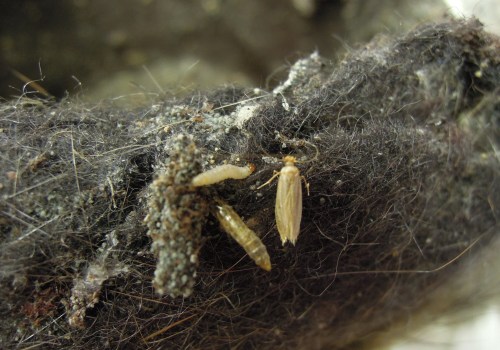
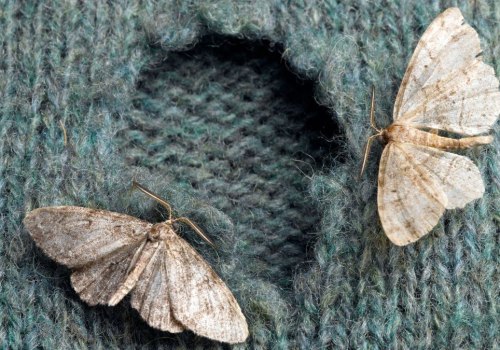
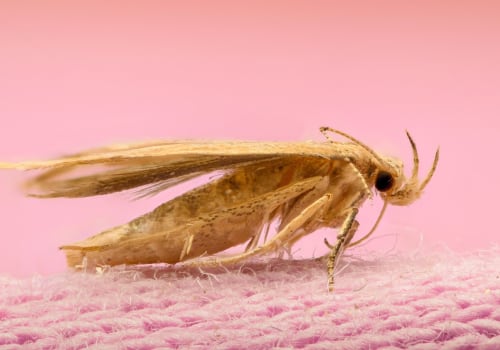
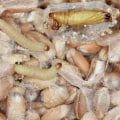
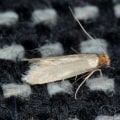
Moth infestations can be a homeowner's nightmare, often leading to significant damage to clothing, fabrics, and stored items. Understanding what constitutes a moth infestation is essential for effective prevention and management. Moths are small, winged insects that belong to the order Lepidoptera, which also includes butterflies. While many species of moths exist, only a few are known to invade homes and cause damage.
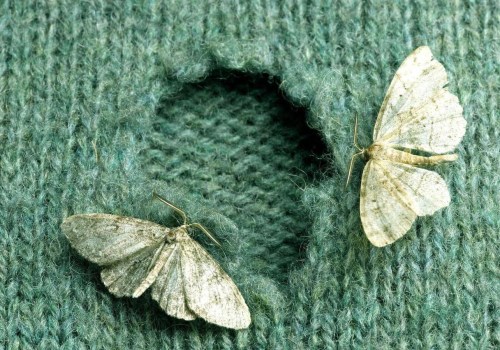
The most common culprits include the clothes moth (Tineola bisselliella) and the pantry moth (Plodia interpunctella), both of which thrive in environments where they can find food sources for their larvae.Recognizing the signs of a moth infestation is crucial for early intervention. Homeowners should be vigilant for several indicators, including the presence of adult moths fluttering around closets or pantries, as well as finding small holes or frayed edges in clothing and textiles. Additionally, you may notice webbing or cocoons in corners of drawers or storage areas, which are telltale signs of moth larvae at work. If you discover these signs, it’s important to act quickly to prevent further damage.The damage caused by moths can be extensive and costly.
Clothes moth larvae feed on natural fibers such as wool, silk, and cotton, leading to unsightly holes and weakened fabric integrity. Pantry moths, on the other hand, infest dry goods like grains, flour, and cereals, contaminating food supplies and making them unfit for consumption. Understanding these aspects of moth infestations not only helps in identifying the problem but also emphasizes the importance of implementing preventive measures like lavender sachets to protect your belongings. not only helps in identifying the problem but also emphasizes the importance of implementing preventive measures like lavender sachets to protect your belongings.
The Role of Lavender in Pest Control
Lavender, a beloved herb known for its soothing aroma and vibrant purple flowers, possesses unique properties that make it an effective natural pest control agent. The essential oils extracted from lavender contain compounds such as linalool and linalyl acetate, which are primarily responsible for its insect-repelling capabilities.These compounds not only contribute to the delightful fragrance of lavender but also serve as a powerful deterrent against various pests, particularly moths.One of the key ways lavender repels moths is through its scent. Moths are highly sensitive to odors, and the strong aroma of lavender disrupts their natural behavior. When exposed to the scent of lavender, moths find it challenging to locate suitable areas for laying eggs or feeding. This disruption is crucial in preventing infestations, as it interferes with their mating rituals and reproductive cycles.Moreover, the scent of lavender masks the pheromones released by female moths, which are used to attract male moths.
By obscuring these chemical signals, lavender effectively confuses male moths, making it difficult for them to find mates. This confusion can significantly reduce the likelihood of a successful mating process, thereby limiting the potential for future infestations.In addition to its repellent properties, lavender also has a calming effect on humans. This dual functionality makes it an ideal choice for households looking to maintain a pleasant atmosphere while simultaneously warding off pests. Unlike chemical repellents that may emit harsh odors or harmful substances, lavender offers a safe and non-toxic alternative that is gentle on both people and pets.To harness the power of lavender in pest control, consider incorporating dried lavender sachets into your home. By obscuring these chemical signals, lavender effectively confuses male moths, making it difficult for them to find mates. This confusion can significantly reduce the likelihood of a successful mating process, thereby limiting the potential for future infestations.In addition to its repellent properties, lavender also has a calming effect on humans. This dual functionality makes it an ideal choice for households looking to maintain a pleasant atmosphere while simultaneously warding off pests. Unlike chemical repellents that may emit harsh odors or harmful substances, lavender offers a safe and non-toxic alternative that is gentle on both people and pets.To harness the power of lavender in pest control, consider incorporating dried lavender sachets into your home.
Placing these sachets in closets, drawers, and storage areas not only provides a protective barrier against moths but also infuses your living space with a refreshing scent. Regularly refreshing these sachets ensures that their potency remains effective over time.In summary, the remarkable properties of lavender make it a formidable ally in the fight against moth infestations. Its ability to disrupt moth behavior through scent and mask pheromones positions it as an essential component of any natural pest control strategy.
How to Make Lavender Sachets
Creating your own lavender sachets is a simple and rewarding DIY project that not only helps in preventing moth infestations but also adds a delightful fragrance to your home. Below is a step-by-step guide on how to make lavender sachets, including the materials you will need and detailed instructions for assembly.Materials Needed for Lavender Sachets
- Dried lavender flowers: You can purchase these from craft stores, herbal shops, or online.
Make sure they are organic and free from pesticides for the best results.
- Fabric: Choose a breathable fabric such as muslin, cotton, or linen. These materials allow the scent to escape while keeping the lavender contained.
- Sewing supplies: You will need a needle and thread that matches your fabric color. Alternatively, you can use fabric glue if you prefer not to sew.
- Scissors: For cutting the fabric to your desired size.
- Optional embellishments: Ribbons, lace, or decorative buttons can be added for a personal touch.
Step-by-Step Instructions
- Cut the Fabric: Start by cutting two pieces of fabric into squares or rectangles. A common size is 4x4 inches or 5x7 inches, depending on how large you want your sachets to be.
- Sew the Edges: Place the two pieces of fabric together with the right sides facing each other.
Sew around the edges, leaving a small opening (about 1-2 inches) on one side for filling. If you’re using fabric glue, apply it along the edges instead of sewing.
- Turn Inside Out: Once sewn, turn the sachet inside out so that the seams are hidden and the right side of the fabric is visible.
- Fill with Lavender: Carefully fill the sachet with dried lavender flowers. Be generous but avoid overfilling; you want it to be able to close easily.
- Close the Opening: Fold in the edges of the opening and sew it shut or use fabric glue to seal it closed. Ensure it’s secure so that no lavender escapes.
- Add Embellishments (Optional): If desired, tie a ribbon around the sachet or attach any decorative elements to personalize your creation.
Not only do they serve a practical purpose, but they also make lovely gifts for friends and family who appreciate natural remedies.
Using Lavender Sachets for Moth Prevention
Utilizing lavender sachets as a preventive measure against moth infestations is not only effective but also a delightful way to keep your home smelling fresh. The key to maximizing their effectiveness lies in strategic placement and regular maintenance.Where to Place Lavender Sachets
- Closets: Moths are notorious for infesting clothing, so placing lavender sachets in your closets is essential. Hang them on hangers or tuck them into the corners of shelves to create a protective barrier.
- Drawers: Slip sachets into dresser drawers where you store clothes, linens, or other fabric items. This will help deter moths from laying eggs in these areas.
- Storage Boxes: If you have seasonal clothing or blankets stored away, include lavender sachets in these boxes.
They will help keep moths at bay during the off-season.
- Pantry: Surprisingly, moths can also invade food storage areas. Placing sachets in your pantry can help prevent pantry moths from infesting grains and other dry goods.
- Under Mattresses: For added protection, place sachets under mattresses or between layers of bedding. This not only protects your linens but also adds a soothing scent to your sleeping environment.
Maintaining Effectiveness
To ensure that lavender sachets remain effective over time, it’s important to replace them regularly. The scent of lavender can diminish after several months, so consider refreshing your sachets every 2-3 months.
You can also rejuvenate them by gently squeezing the sachet to release more fragrance or by adding a few drops of lavender essential oil to the dried flowers inside.In addition to replacing sachets, consider using multiple sachets in larger spaces or areas with higher risk of infestation. The more potent the scent, the more effective it will be at deterring moths.By strategically placing lavender sachets throughout your home and maintaining their freshness, you can create an effective natural barrier against moth infestations. This simple yet powerful method not only protects your belongings but also enhances the ambiance of your living space with the calming aroma of lavender.
Lavender Sachets vs. Chemical Repellents
When it comes to combating moth infestations, many homeowners often find themselves at a crossroads: should they opt for chemical repellents or embrace the natural alternative of lavender sachets? While both options aim to protect your belongings, the differences in their composition, effectiveness, and safety are significant.Understanding Chemical Repellents
Chemical repellents are widely available and marketed as quick solutions for pest control.
These products typically contain synthetic compounds designed to deter moths and other insects. However, the convenience of chemical repellents comes with a host of concerns:
- Health Risks: Many chemical repellents contain toxic substances that can pose health risks to humans and pets. Prolonged exposure may lead to respiratory issues, skin irritations, or even more severe health problems.
- Environmental Impact: The use of chemical products can have detrimental effects on the environment. These substances can contaminate soil and water sources, harming local wildlife and ecosystems.
- Short-Term Solutions: Chemical repellents often require frequent reapplication, making them a less sustainable option in the long run.
The Advantages of Lavender Sachets
In contrast, lavender sachets offer a natural and effective alternative for preventing moth infestations.
Here are some compelling reasons to consider using lavender sachets:
- Non-Toxic: Lavender sachets are made from dried lavender flowers, making them completely safe for use around children and pets. You can rest easy knowing that you’re not exposing your loved ones to harmful chemicals.
- Environmentally Friendly: As a natural product, lavender is biodegradable and does not contribute to environmental pollution. Using lavender sachets helps promote a healthier planet.
- Long-Lasting Protection: While chemical repellents may need frequent reapplication, lavender sachets can last for several months before needing replacement. Their scent gradually diminishes over time, but they remain effective as long as they emit a noticeable aroma.
- Aromatic Benefits: Beyond their pest-repelling properties, lavender sachets also provide a pleasant fragrance that can enhance the ambiance of your home.
The soothing scent of lavender is known for its calming effects, making it an excellent addition to your living space.
Conclusion
In summary, while chemical repellents may offer immediate results in combating moth infestations, they come with significant health and environmental risks. On the other hand, lavender sachets provide a safe, effective, and aromatic solution that not only protects your belongings but also contributes positively to your home environment. By choosing lavender sachets over chemical alternatives, you are making a conscious decision for both your health and the planet.
Treating Existing Moth Infestations with Lavender Sachets
When faced with an active moth infestation, many homeowners seek effective and natural solutions to combat these pesky pests. Lavender sachets, known for their delightful aroma and pest-repelling properties, can be a valuable tool in treating existing infestations.Here’s how to effectively use lavender sachets to address a current moth problem.
Strategic Placement
- Identify Hotspots: Begin by identifying areas where moth activity is most prevalent. Common hotspots include closets, drawers, and storage boxes where clothing and linens are kept.
- Direct Contact: Place lavender sachets directly in these areas. For instance, tuck sachets into your clothing drawers or hang them in your closet among your garments. This direct contact allows the potent scent of lavender to permeate the space, creating a barrier that discourages moths from laying eggs.
- Multiple Locations: Consider using multiple sachets throughout your home.
The more sachets you use, the stronger the scent will be, enhancing their effectiveness against moths.
Enhancing Effectiveness
- Supplement with Dried Lavender: For an extra boost, sprinkle dried lavender flowers around the sachets. This not only intensifies the scent but also creates a more potent deterrent against moths.
- Regular Replacement: Keep in mind that the effectiveness of lavender sachets diminishes over time. Replace them every few months or whenever you notice a decrease in scent strength to maintain their repellent properties.
- Combine with Cleaning: While using lavender sachets, it’s also essential to clean the affected areas thoroughly. Vacuuming closets and drawers can help remove any eggs or larvae present, making the lavender sachets even more effective.
Long-Term Strategy
While lavender sachets can significantly help in treating existing infestations, they should be part of a broader pest management strategy.
If you continue to experience issues despite using lavender sachets, consider consulting with pest control professionals for additional measures.In conclusion, lavender sachets offer a natural and pleasant-smelling solution for treating moth infestations. By strategically placing them in key areas and enhancing their effectiveness through additional dried lavender and regular replacement, you can create an environment that is less inviting to moths while keeping your home smelling fresh.