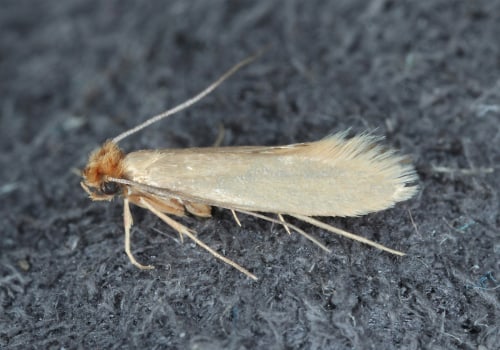
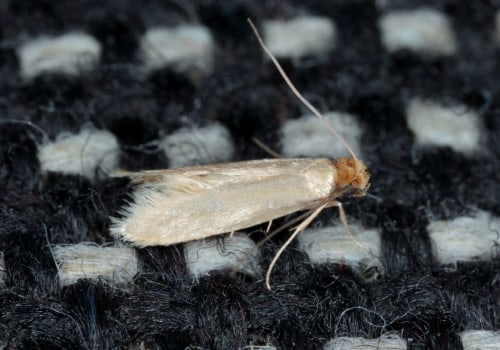
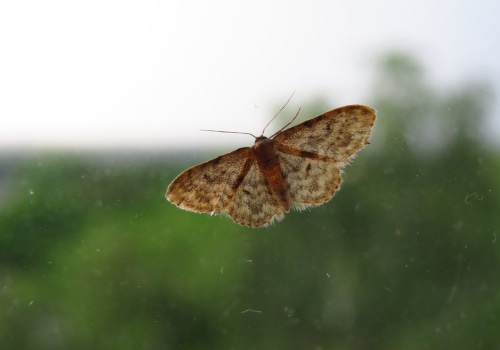
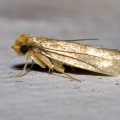
Moth infestations can be a significant concern for homeowners, as these small insects can wreak havoc on clothing, fabrics, and even stored food. Understanding what constitutes a moth infestation is the first step in moth preventionmoth prevention, preventing these unwelcome guests from taking over your living space. Moths are not just a single species; they encompass a variety of types, each with its own unique habits and preferences. The most common culprits include the clothes moth (Tineola bisselliella) and the food moth (Plodia interpunctella), both of which are notorious for causing damage to textiles and pantry items, respectively. So, what causes these moth infestations? Moths are naturally drawn to dark, warm, and humid environments where they can lay their eggs and find ample food sources for their larvae.
This makes areas like closets, attics, and basements prime targets for moth activity. Additionally, moths are attracted to organic materials such as wool, silk, cotton, and even certain food products like grains and dried fruits. When these conditions are met, it creates an ideal breeding ground for moths to thrive.Understanding the specific types of moths that may invade your home is crucial for effective prevention. The clothes moth is particularly fond of natural fibers and can cause significant damage to your wardrobe if left unchecked.
On the other hand, the food moth tends to infest pantries and can contaminate food supplies. By recognizing the signs of these pests early on—such as small holes in fabrics or webbing in food containers—you can take proactive measures to protect your home from a full-blown infestation.
Identifying Signs of Moth Infestations
Identifying a moth infestation early is crucial for effective management and prevention of further damage. Moths can be elusive, but there are several key signs that can help you determine if these pests have invaded your home.Physical Damage to Fabrics
One of the most telling signs of a moth infestation is the damage they cause to fabrics. Moth larvae feed on natural fibers found in clothing, upholstery, and carpets.Look for:
- Small Holes: Check your clothing, linens, and carpets for tiny holes or irregular patches. These are often the first indicators of moth activity.
- Frayed Edges: Inspect the edges of garments and fabric items. Moths tend to target seams and hems, leading to fraying.
- Faded Areas: Discoloration or fading in specific spots may also suggest moth damage, as larvae can weaken the fibers over time.
Presence of Adult Moths
While the larvae are responsible for most of the damage, adult moths can also indicate an infestation. Keep an eye out for:- Flying Moths: Adult moths are typically nocturnal and may be seen fluttering around lights or windows at night.
They are usually small, with a wingspan of about half an inch.
- Cocoon Cases: Look for silken cocoons or webbing in corners, closets, or storage areas. These are remnants of larvae that have matured into adult moths.
Webbing and Silk Trails
Moths often leave behind silk trails as they move around. This webbing can be found in hidden areas such as:- Closets: Check the corners and shelves where clothes are stored.
- Drawers: Inspect the insides of drawers where fabrics are kept.
- Behind Furniture: Look behind couches and beds where dust accumulates.
Common Causes of Moth Infestations
Moth infestations are often the result of a combination of environmental and behavioral factors that create ideal conditions for these pests to thrive.Understanding the common causes of moth infestations can help homeowners take proactive measures to prevent them.
1.Humidity Levels
Moths are particularly attracted to areas with high humidity. These insects thrive in moist environments, which provide the perfect conditions for their eggs to hatch and larvae to develop. Basements, attics, and laundry rooms are common hotspots due to their often damp conditions. To combat this, it is essential to maintain low humidity levels in your home by using dehumidifiers and ensuring proper ventilation.
2.Darkness and Clutter
Moths prefer dark, undisturbed areas where they can lay their eggs without being disturbed.
Closets, storage boxes, and seldom-used corners of your home can become breeding grounds if not regularly cleaned and organized. Keeping these areas tidy and well-lit can deter moths from settling in.
3.Food Sources
One of the primary reasons moths invade homes is the availability of food sources. Moths are drawn to natural fibers found in clothing, carpets, and upholstery, as well as stored food items like grains and dried fruits. To minimize the risk of infestation, it is crucial to:
- Store clothing in airtight containers or vacuum-sealed bags.
- Regularly clean your pantry and dispose of any expired food items.
- Use airtight containers for storing grains and other dry goods.
4.Seasonal Changes
Moth activity can also be influenced by seasonal changes.
During warmer months, adult moths are more likely to emerge from their cocoons and seek out suitable environments for laying eggs. This is why spring and summer are peak seasons for moth infestations. Being vigilant during these times can help you catch potential problems early.
5.New Items
Bringing new items into your home, especially secondhand clothing or furniture, can introduce moths that may already be infested with eggs or larvae. Always inspect new purchases carefully before bringing them inside your home.By understanding these common causes of moth infestations, homeowners can take effective steps to mitigate risks and protect their living spaces from these unwanted pests.
Preventive Measures for Moth Infestations
Preventing moth infestations requires a proactive approach that combines cleanliness, proper storage, and environmental adjustments.Here are some effective strategies to keep these pests at bay:
- Regular Cleaning: Maintain a consistent cleaning schedule to eliminate potential food sources for moths. Vacuum carpets, rugs, and upholstery frequently, paying special attention to corners and under furniture where eggs and larvae may hide. Use a vacuum with a HEPA filter to trap tiny particles effectively.
- Wash Fabrics: Regularly wash and dry clean clothing, linens, and other fabrics. High temperatures can kill moth eggs and larvae.
Consider washing items before storing them away for the season.
- Airtight Storage: Store clothing and textiles in airtight containers or vacuum-sealed bags. This prevents moths from accessing these items. Use plastic bins with tight-fitting lids instead of cardboard boxes, which can harbor pests.
- Cedar Products: Incorporate cedar chips or blocks into your storage areas. The natural oils in cedar are known to repel moths.
Place them in closets, drawers, and storage bins for added protection.
- Essential Oils: Utilize essential oils such as lavender, rosemary, or peppermint as natural repellents. Mix a few drops with water in a spray bottle and lightly mist your fabrics and storage areas.
- Humidity Control: Moths thrive in humid environments. Use dehumidifiers in damp areas of your home to reduce moisture levels. Ensure proper ventilation by opening windows and using fans to circulate air.
- Inspect New Items: Before bringing secondhand clothing or furniture into your home, inspect them thoroughly for signs of moths or larvae.
This precaution can prevent introducing an infestation into your space.
- Pheromone Traps: Consider using pheromone traps specifically designed for moths. These traps attract male moths, disrupting their mating cycle and helping to reduce the population.
Cleaning and Maintenance Tips
To effectively prevent moth infestations, maintaining a clean and organized home is essential. Regular cleaning routines not only help in keeping your living spaces tidy but also play a crucial role in deterring these pests.Here are some specific cleaning and maintenance tips to help you keep moths at bay:
- Regular Vacuuming: Make it a habit to vacuum your carpets, rugs, and upholstery at least once a week. Pay special attention to corners, under furniture, and areas where dust tends to accumulate. This will help remove any moth eggs or larvae that may be hiding.
- Wash Fabrics Frequently: Wash and dry clean your clothing, linens, and curtains regularly. Moths are attracted to natural fibers, so ensuring that these items are clean can significantly reduce the risk of infestation.
- Declutter Storage Areas: Moths thrive in cluttered environments.
Regularly declutter closets, attics, and storage spaces to eliminate potential hiding spots for moths. Consider donating or discarding items you no longer use.
- Airtight Storage Solutions: Store seasonal clothing and fabrics in airtight containers or vacuum-sealed bags. This prevents moths from accessing these items and laying eggs on them.
- Use Natural Repellents: Incorporate natural repellents such as cedar chips or lavender sachets in your closets and storage areas. These scents are known to deter moths while leaving your clothes smelling fresh.
- Inspect New Items: Before bringing new clothing or furniture into your home, inspect them for signs of moths.
This is especially important for secondhand items, which may carry hidden infestations.
Natural Remedies for Moth Control
When it comes to controlling moths, many homeowners are seeking natural remedies that are both effective and eco-friendly. Utilizing organic solutions not only helps in repelling these pests but also ensures that your living environment remains safe for children and pets.Here are some of the most effective natural methods for moth control:
- Essential Oils: Certain essential oils are known for their ability to repel moths. Oils such as lavender, peppermint, and eucalyptus can be used effectively. To use, mix a few drops of your chosen essential oil with water in a spray bottle and lightly mist areas where moths are likely to appear, such as closets and storage spaces.
- Cedar Wood: Moths are naturally repelled by the scent of cedar. Placing cedar blocks or chips in your closets and drawers can deter moths from laying eggs on your clothing.
Additionally, the aromatic properties of cedar can help keep your fabrics smelling fresh.
- Dried Herbs: Many dried herbs can serve as natural repellents against moths. Consider using rosemary, thyme, or bay leaves. Simply place these herbs in small sachets or cloth bags and hang them in your closets or tuck them into drawers.
- Vinegar Solution: A mixture of vinegar and water can be an effective cleaning solution that also helps deter moths. Wipe down surfaces in your closets with this solution to eliminate any potential eggs or larvae.
- Homemade Moth Traps: You can create simple traps using a mixture of sugar, water, and dish soap.
The sugar attracts the moths while the soap traps them. Place these traps in areas where you’ve noticed moth activity.
Remember that consistency is key; regularly using these remedies will enhance their effectiveness over time.