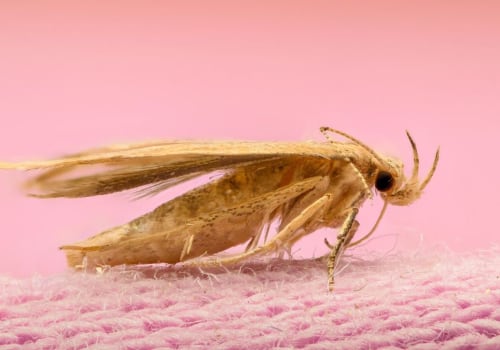
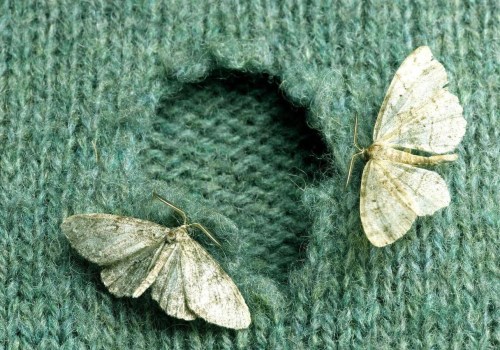
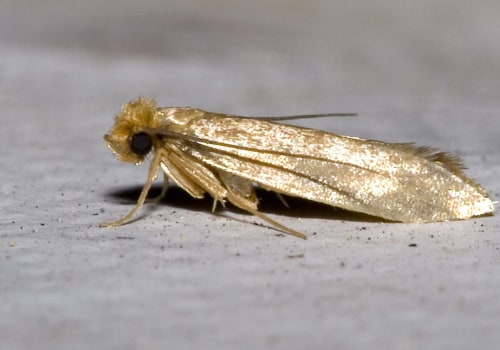
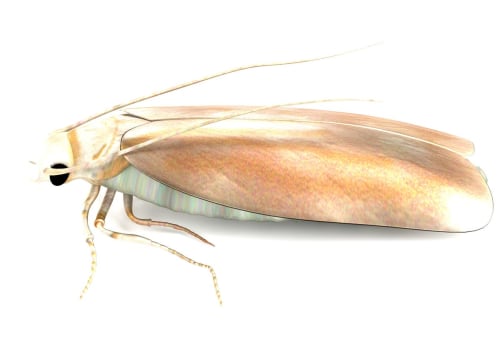
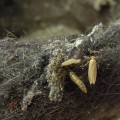
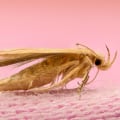
Moth infestations are a common yet often overlooked problem that can have significant repercussions for both residential and commercial spaces. These small, winged insects, particularly the larvae, are notorious for their ability to cause extensive damage to clothing, upholstery, and even food products. Understanding what constitutes a moth infestation is crucial for homeowners and business owners alike, as early detection and intervention can save valuable possessions and prevent costly repairs.A moth infestation typically begins when adult moths lay their eggs in dark, undisturbed areas where their larvae can thrive. These larvae, often referred to as caterpillars, feed voraciously on natural fibers found in clothing and textiles, as well as organic materials in stored food items.
The presence of moths can lead to unsightly holes in garments, ruined carpets, and contaminated pantry goods. The effects of moths extend beyond mere aesthetics; they can also lead to financial losses and emotional distress for those affected.Moreover, the impact of a moth infestation is not limited to physical damage. The psychological toll of discovering an infestation can be significant, leading to feelings of frustration and helplessness. Homeowners may find themselves constantly on edge, worrying about the potential for further damage or the spread of the infestation.
In commercial settings, such as restaurants or retail stores, a moth problem can tarnish reputations and drive customers away.In light of these challenges, it becomes evident that addressing moth infestations promptly is essential. This article will explore effective methods for controlling these pests, with a particular focus on fumigation as a comprehensive solution. By understanding the nature of moth infestations and their effects, readers will be better equipped to take action against these destructive insects.
Understanding Moths and Their Life Cycle
Moths are fascinating creatures that belong to the order Lepidoptera, which also includes butterflies. Understanding their biology, particularly their life cycle and behavior, is essential for effective pest control, especially when dealing with moth infestations.The life cycle of a moth consists of four distinct stages: eggs, larvae (caterpillars), pupae, and adults.Each stage plays a crucial role in the development of the moth and can significantly impact how infestations are managed.
- Eggs: Moth eggs are typically laid in hidden areas where they are less likely to be disturbed. Depending on the species, a female moth can lay anywhere from 50 to several hundred eggs at a time. These eggs are often small and can be difficult to see, making early detection challenging.
- Larvae: Once the eggs hatch, the larvae emerge and begin feeding voraciously on organic materials such as fabrics, grains, or stored food products. This stage is critical as it is when most damage occurs.
The larvae can grow rapidly and may molt several times before entering the pupal stage.
- Pupae: After reaching maturity, the larvae will find a safe place to pupate. During this stage, they undergo metamorphosis, transforming into adult moths. This process can take several days to weeks, depending on environmental conditions.
- Adults: Adult moths emerge from their pupal cases ready to mate and continue the cycle. They are often nocturnal and are attracted to light sources.
Adult moths typically have a short lifespan, ranging from a few weeks to several months.
- Clothes Moths: These moths are notorious for damaging fabrics and textiles. They prefer natural fibers like wool and silk.
- Food Moths: Also known as pantry moths, these pests infest stored food products such as grains, nuts, and dried fruits.
- Indian Meal Moths: A common type of food moth that can be found in kitchens and pantries.
The Dangers of Moth Infestations
Moth infestations pose significant dangers that extend beyond mere annoyance.These pests can cause extensive damage to various materials, leading to both emotional distress and financial repercussions for homeowners and businesses alike.
Damage to Clothing and Fabrics
One of the most visible impacts of a moth infestation is the destruction of clothing and fabrics. Moths, particularly the larvae, are notorious for feeding on natural fibers such as wool, silk, and cotton. This feeding behavior can result in:
- Holes and tears: Infested garments often develop unsightly holes, rendering them unwearable.
- Stains: Moth larvae can leave behind feces and silk threads, which can stain fabrics and further diminish their value.
- Loss of sentimental items: Family heirlooms or cherished clothing can be irreparably damaged, leading to emotional loss.
Impact on Food Products
Moths are not limited to damaging textiles; they can also infest food products. Pantry moths, for instance, are known to invade stored grains, cereals, and dried fruits.
The consequences of such infestations include:
- Contamination: Moths can contaminate food with their droppings and webbing, making it unsafe for consumption.
- Financial loss: Discarding infested food products can lead to significant economic losses for households and businesses.
Economic Impact on Homeowners and Businesses
The economic ramifications of moth infestations extend beyond immediate damage. Homeowners may face costs associated with:
- Replacement of damaged items: The need to replace clothing or fabrics can quickly add up, especially if valuable items are affected.
- Pest control services: Hiring professionals for fumigation or other pest control methods incurs additional expenses.
- Decreased property value: A history of moth infestations may deter potential buyers or renters, impacting property value.
- Loss of inventory: Damaged stock must be replaced, affecting profit margins.
- Reputation damage: Customers may lose trust in a brand that fails to manage pest issues effectively.
What is Fumigation?
Fumigation is a specialized pest control method that employs the use of gaseous pesticides or fumigants to eliminate pests within an enclosed space.This technique is particularly effective for dealing with severe infestations, such as those caused by moths, as it can penetrate deep into materials and reach areas that are often inaccessible through traditional pest control methods.The fumigation process typically begins with a thorough inspection of the infested area. Pest control professionals assess the extent of the infestation and identify the specific types of pests present. This initial evaluation is crucial, as it helps determine the most appropriate fumigation method and the type of fumigant to be used.Once the assessment is complete, the area is prepared for fumigation. This involves sealing off the space to contain the fumigant effectively.
Tarps or plastic sheeting may be used to cover windows, doors, and any openings to ensure that the gas does not escape during treatment. Proper ventilation is also considered to protect non-target areas.After sealing, the chosen fumigant is introduced into the space. The gas disperses throughout the area, penetrating cracks, crevices, and porous materials where pests may be hiding. This is one of the key advantages of fumigation: it targets all life stages of pests, including eggs, larvae, and adults.
The duration of exposure to the fumigant varies depending on the type of gas used and the severity of the infestation.Following the exposure period, which can range from several hours to a few days, the area is ventilated to allow any remaining gas to dissipate safely. Professionals will conduct air quality tests to ensure that it is safe for occupants to return before lifting any restrictions on access.In summary, fumigation is a highly effective pest control method that works by utilizing gaseous pesticides to eradicate infestations comprehensively. Its ability to penetrate hard-to-reach areas makes it a preferred choice for controlling moth infestations and other severe pest problems.
Types of Fumigation Methods for Moth Control
When it comes to effectively managing a moth infestation, understanding the various fumigation methods available is crucial. Each method has its own advantages and is suited for different situations, depending on the severity of the infestation and the specific type of moths involved.Below, we explore two primary fumigation techniques: gas fumigation and heat treatment.
Gas Fumigation
Gas fumigation is a highly effective method for controlling moth infestations, particularly in larger spaces or when dealing with severe infestations. This technique involves sealing off the affected area and introducing a gas that penetrates all surfaces, reaching even the most hidden corners where moths may reside.- Effectiveness: Gas fumigation is capable of eliminating all life stages of moths, including eggs, larvae, and adults. The gas used can vary, with options such as sulfuryl fluoride or methyl bromide being common choices.
- Comprehensive Coverage: One of the key benefits of gas fumigation is its ability to reach areas that are often missed by other pest control methods. This includes cracks, crevices, and behind walls.
- Professional Application: Due to the complexity and potential hazards associated with gas fumigation, it is typically performed by licensed professionals who are trained in handling chemicals safely.
Heat Treatment
Heat treatment is another effective method for controlling moth infestations.This approach involves raising the temperature in the infested area to a level that is lethal to moths and their eggs.
- Temperature Requirements: For heat treatment to be effective, temperatures must be maintained at around 120°F (49°C) or higher for a sustained period. This ensures that all life stages of moths are eradicated.
- Non-Chemical Solution: One of the significant advantages of heat treatment is that it does not involve chemicals, making it an appealing option for those concerned about chemical exposure.
- Limitations: While heat treatment can be very effective, it may not penetrate all materials as thoroughly as gas fumigation. Therefore, it may be less suitable for certain types of infestations or materials that could be damaged by high temperatures.
Consulting with a pest control professional can help determine the most appropriate method for your specific situation.
Benefits of Professional Fumigation Services
When faced with a moth infestation, many homeowners may consider tackling the problem themselves. However, opting for professional fumigation services offers numerous advantages that can significantly enhance the effectiveness of pest control efforts. Here are some key benefits of hiring experts for fumigation:- Comprehensive Knowledge and Experience: Professional exterminators possess extensive training and experience in dealing with various pest infestations, including moths. They understand the behavior and life cycle of these pests, allowing them to implement targeted strategies that effectively eliminate all stages of the infestation.
- Access to Advanced Techniques and Equipment: Professionals utilize specialized equipment and advanced fumigation techniques that are not available to the average homeowner.
This includes high-quality fumigants and tools designed to penetrate hard-to-reach areas where moths may hide, ensuring a thorough treatment.
- Safety Considerations: Fumigation involves the use of potent chemicals that can pose risks if not handled properly. Professional services adhere to strict safety protocols, ensuring that the chemicals are applied safely and effectively. This minimizes risks to your family and pets, as well as potential damage to your property.
- Long-Term Solutions: One of the most significant advantages of professional fumigation is its ability to provide long-lasting results. While DIY methods may offer temporary relief, professionals can eliminate not only adult moths but also their eggs and larvae, preventing future infestations from occurring.
- Time Efficiency: Dealing with a moth infestation can be time-consuming and stressful.
Hiring professionals allows you to focus on other important tasks while they handle the extermination process efficiently. Their expertise enables them to complete the job quickly without compromising on quality.
- Follow-Up Services: Many professional pest control companies offer follow-up services to ensure that the treatment was successful. This may include inspections or additional treatments if necessary, providing peace of mind that your home remains moth-free.
Investing in professional help not only saves time but also ensures a thorough and lasting resolution to your pest problems.
Natural Alternatives to Fumigation for Moth Control
For those who prefer to avoid chemical fumigation methods, there are several natural alternatives that can effectively help control moth infestations. These eco-friendly options not only protect your home but also contribute to a healthier environment.Essential Oils as Moth Repellents
One of the most popular natural methods for repelling moths is the use of essential oils. Certain scents are known to deter these pests, making them an excellent choice for keeping your home moth-free. Here are some effective essential oils:One of the most popular natural methods for repelling moths is the use of essential oils. Certain scents are known to deter these pests, making them an excellent choice for keeping your home moth-free. Here are some effective essential oils:- Cedarwood Oil: The aroma of cedarwood is particularly unappealing to moths.
You can use cedarwood oil in a diffuser or soak cotton balls in the oil and place them in your closets and drawers.
- Lavender Oil: Known for its calming properties, lavender oil also acts as a natural moth repellent. Spraying diluted lavender oil in areas prone to moth activity can help keep them at bay.
- Peppermint Oil: The strong scent of peppermint is another effective deterrent. Mix peppermint oil with water in a spray bottle and apply it to areas where moths are likely to enter.
Homemade Remedies for Moth Control
In addition to essential oils, there are various homemade remedies that can help prevent moth infestations:- Dried Herbs: Moths dislike the scent of certain herbs such as rosemary, thyme, and mint. You can create sachets filled with dried herbs and place them in your closets or storage areas.
- Vinegar Solution: A mixture of vinegar and water can be used to clean surfaces where moths may lay eggs.
This solution not only cleans but also helps eliminate any lingering scents that attract moths.
- Baking Soda: Sprinkling baking soda in areas where you suspect moth activity can help absorb odors and deter these pests.
Preventive Measures
Taking preventive measures is crucial in avoiding future moth infestations. Here are some effective strategies:- Regular Cleaning: Frequent vacuuming and dusting can help remove any potential eggs or larvae from your home. Pay special attention to corners, under furniture, and inside closets.
- Proper Storage: Store clothing and fabrics in airtight containers or bags to prevent moth access. Consider using vacuum-sealed bags for long-term storage.
- Temperature Control: Moths thrive in warm environments.
Keeping your home cool can help deter them from nesting.
Preventing Future Moth Infestations
Preventing future moth infestations is crucial for maintaining a pest-free home. By implementing effective strategies and maintaining a clean environment, you can significantly reduce the risk of these pests returning. Here are some practical tips to help you avoid moths:- Regular Cleaning: One of the most effective ways to prevent moth infestations is through consistent cleaning.
Vacuum your carpets, rugs, and upholstery regularly to remove any potential eggs or larvae. Pay special attention to corners, under furniture, and other hard-to-reach areas where moths may hide.
- Proper Storage: Store clothing and fabrics in airtight containers or vacuum-sealed bags, especially during off-seasons. This not only protects your items from moths but also keeps them fresh and free from moisture.
- Use Moth Repellents: Consider using natural moth repellents such as cedar blocks, lavender sachets, or essential oils. These not only deter moths but also leave your storage areas smelling pleasant.
Place these repellents in closets, drawers, and storage bins.
- Inspect New Items: Before bringing new clothing or fabrics into your home, inspect them for signs of moths. This includes checking for holes or webbing that may indicate an infestation. Washing or dry cleaning new items before storage can also help eliminate any hidden pests.
- Maintain Humidity Levels: Moths thrive in humid environments. Use dehumidifiers in damp areas of your home to keep humidity levels low.
This will create an unfavorable environment for moths and other pests.
- Seal Cracks and Crevices: Inspect your home for any cracks or crevices where moths could enter. Seal these openings with caulk or weather stripping to prevent their entry.
Frequently Asked Questions about Moth Infestations and Fumigation
When it comes to moth infestations, many homeowners have questions about the nature of these pests and the effectiveness of fumigation as a control method. Below are some frequently asked questions that can help clarify common concerns.What are the signs of a moth infestation?
Identifying a moth infestation early can save you from significant damage.Look for:
- Visible moths: Adult moths are often seen fluttering around light sources.
- Damage to fabrics: Holes in clothing, carpets, or upholstery can indicate larvae feeding.
- Moth eggs: Tiny, white or yellowish eggs may be found in hidden areas.
- Cocoons: Silken webs or cocoons in corners or on clothing are signs of larvae development.
How does fumigation work for moth control?
Fumigation involves sealing off an area and introducing a gas that penetrates all surfaces, effectively targeting all life stages of moths, including eggs, larvae, and adults. This method is particularly effective because it reaches areas that traditional sprays may miss.Is fumigation safe for my home and family?
When performed by professionals, fumigation is generally safe. The chemicals used are regulated and designed to minimize risks to humans and pets. However, it is essential to vacate the premises during the treatment and follow any safety guidelines provided by the exterminators.How long does fumigation take?
The duration of fumigation can vary based on the size of the area being treated and the severity of the infestation.Typically, the process can take anywhere from a few hours to several days, including preparation and post-treatment ventilation.
Can I prevent moth infestations?
Yes! Preventive measures include:- Regular cleaning: Vacuuming carpets and upholstery helps remove eggs and larvae.
- Proper storage: Store clothing in airtight containers and use moth repellents like cedar or lavender.
- Monitoring: Use pheromone traps to catch adult moths early.
Conclusion: The Essential Role of Fumigation in Pest Control
In summary, the significance of fumigation in managing moth infestations cannot be overstated. As we have explored throughout this article, moths pose a serious threat to both residential and commercial spaces, causing extensive damage to fabrics, food products, and other materials. Their ability to reproduce quickly and hide in hard-to-reach areas makes them particularly challenging to control without effective methods.Fumigation stands out as a comprehensive solution that targets all life stages of moths, including eggs, larvae, and adults. This method ensures that infestations are not only addressed but eradicated entirely, preventing future outbreaks.The use of specialized gases or heat treatments allows for deep penetration into cracks and crevices where moths often hide, making it a superior choice compared to traditional pest control methods.Moreover, professional fumigation services offer the expertise and equipment necessary to carry out the process safely and effectively. Trained technicians understand the nuances of different fumigation techniques and can tailor their approach based on the specific type of moth infestation and the environment in which it occurs. This level of professionalism is crucial for achieving long-lasting results.While natural methods for controlling moths can be beneficial as preventive measures, they often lack the potency required to eliminate established infestations. Therefore, integrating fumigation into your pest management strategy is essential for ensuring a thorough resolution to any existing problems.Ultimately, investing in professional fumigation services not only saves time and effort but also provides peace of mind knowing that your home or business is protected from the damaging effects of moth infestations.
As you consider your options for pest control, remember that effective management strategies are key to maintaining a safe and healthy environment.